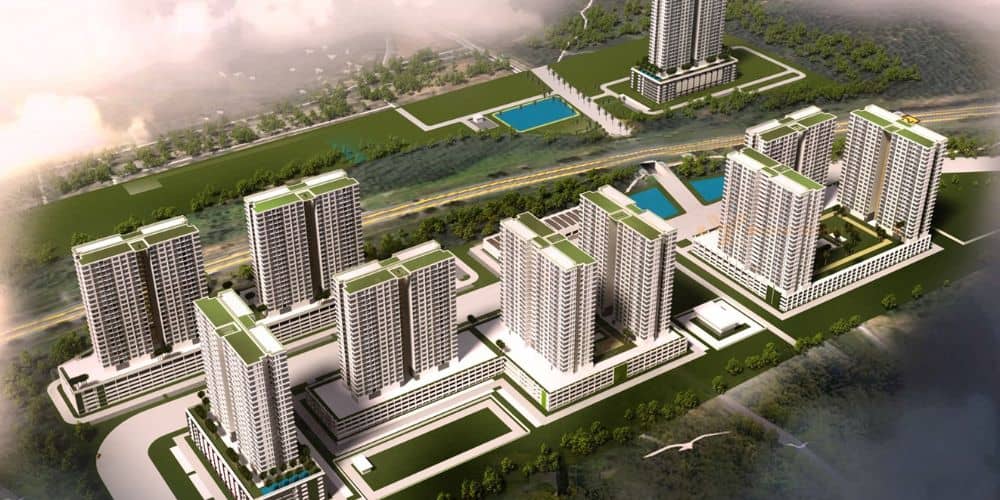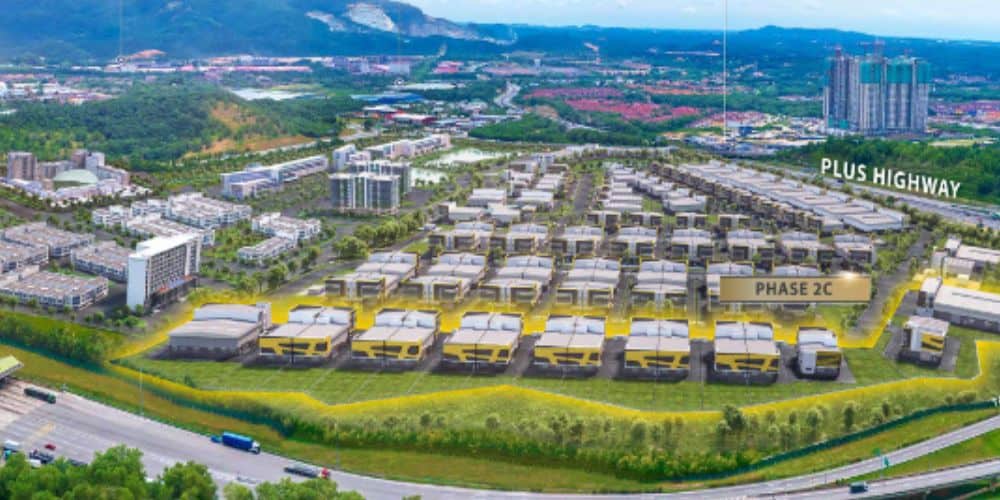



















We provide comprehensive town planning solutions from concept to approval, ensuring compliance while optimising land use and development potential.
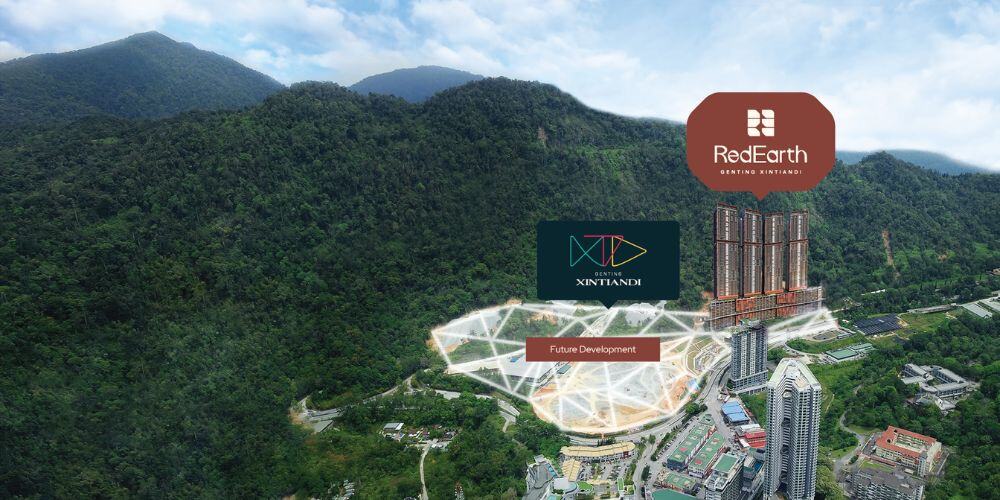
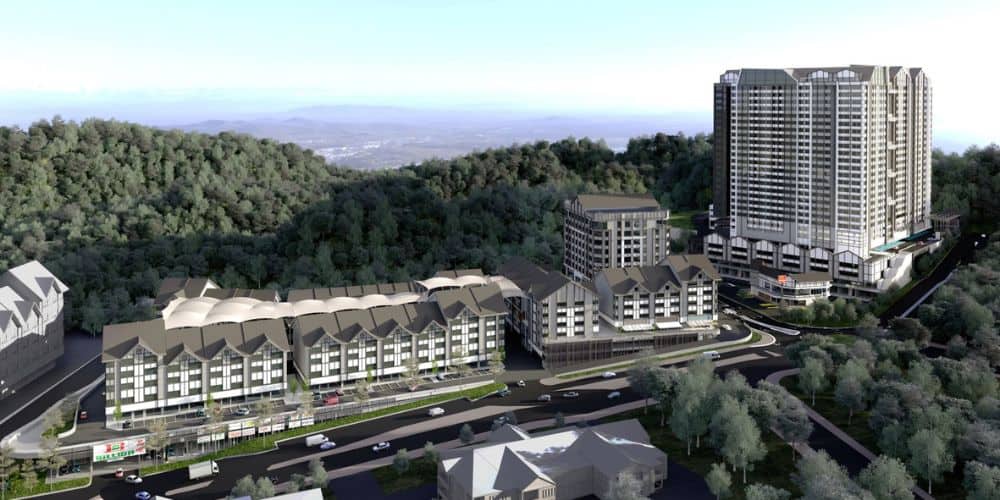
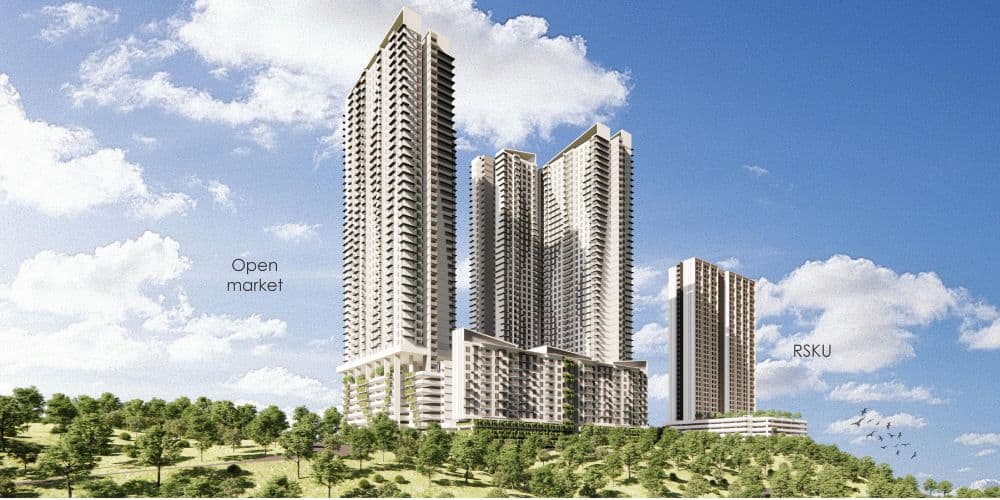
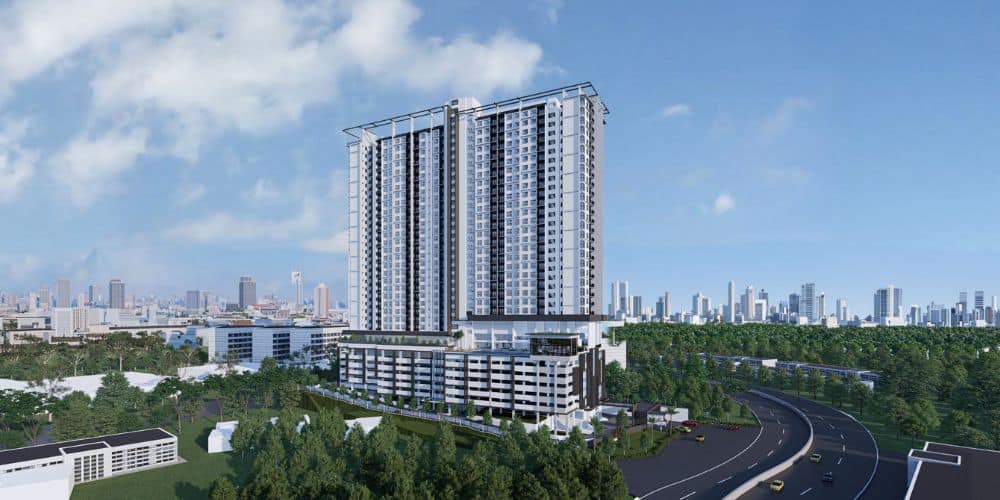
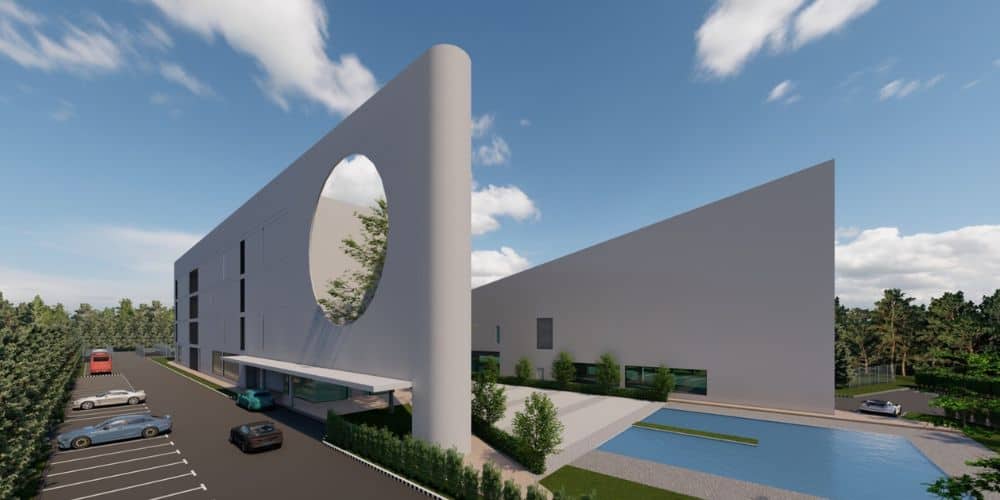
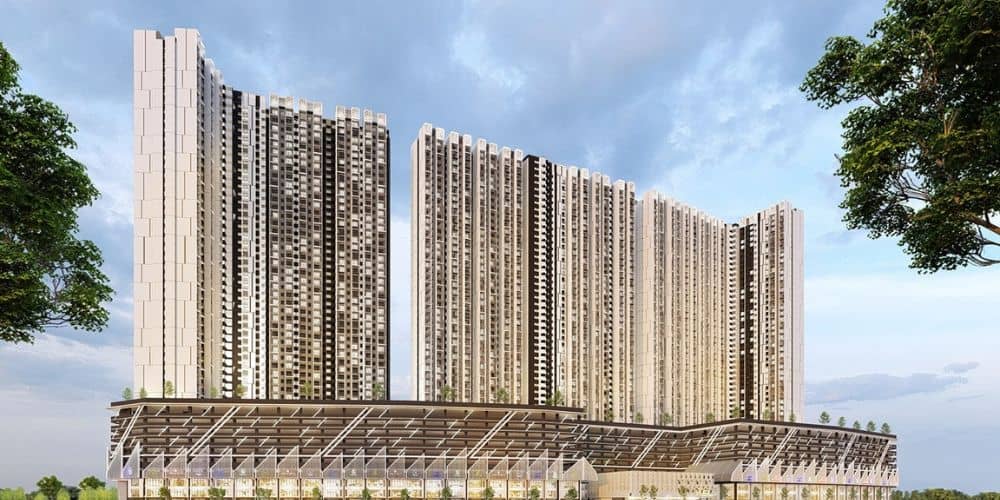
We provide comprehensive town planning solutions from concept to approval, ensuring compliance while optimising land use and development potential.

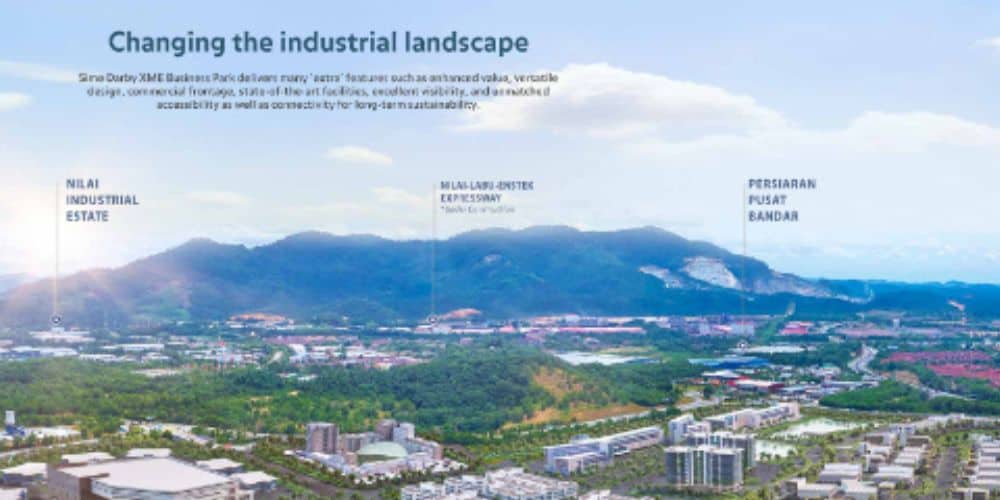
We assess the social implications of development projects through data-driven analysis and stakeholder engagement to support inclusive outcomes.
We assess the social implications of development projects through data-driven analysis and stakeholder engagement to support inclusive outcomes.

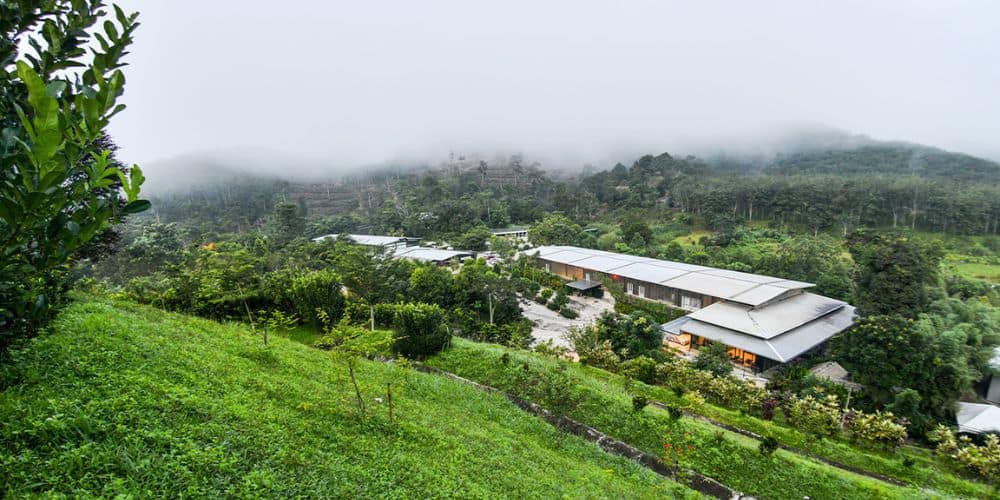
We deliver environmental consultancy services to support sustainable development through impact assessment, mitigation and regulatory compliance.
We deliver environmental consultancy services to support sustainable development through impact assessment, mitigation and regulatory compliance.

We provide comprehensive town planning solutions from concept to approval, ensuring compliance while optimising land use and development potential.
We provide comprehensive town planning solutions from concept to approval, ensuring compliance while optimising land use and development potential.

We deliver environmental consultancy services to support sustainable development through impact assessment, mitigation and regulatory compliance.
We deliver environmental consultancy services to support sustainable development through impact assessment, mitigation and regulatory compliance.

We assess the social implications of development projects through data-driven analysis and stakeholder engagement to support inclusive outcomes.
We assess the social implications of development projects through data-driven analysis and stakeholder engagement to support inclusive outcomes.